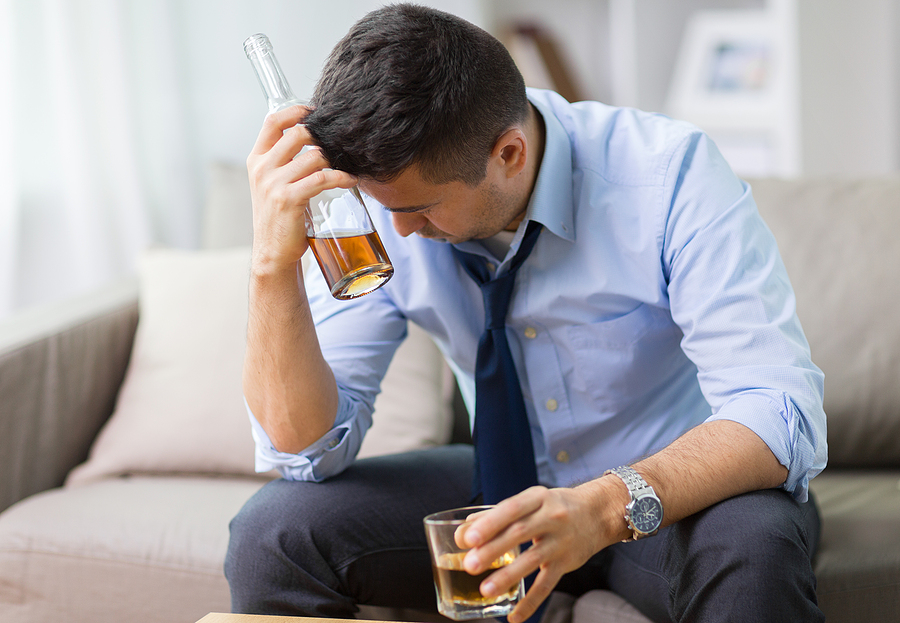

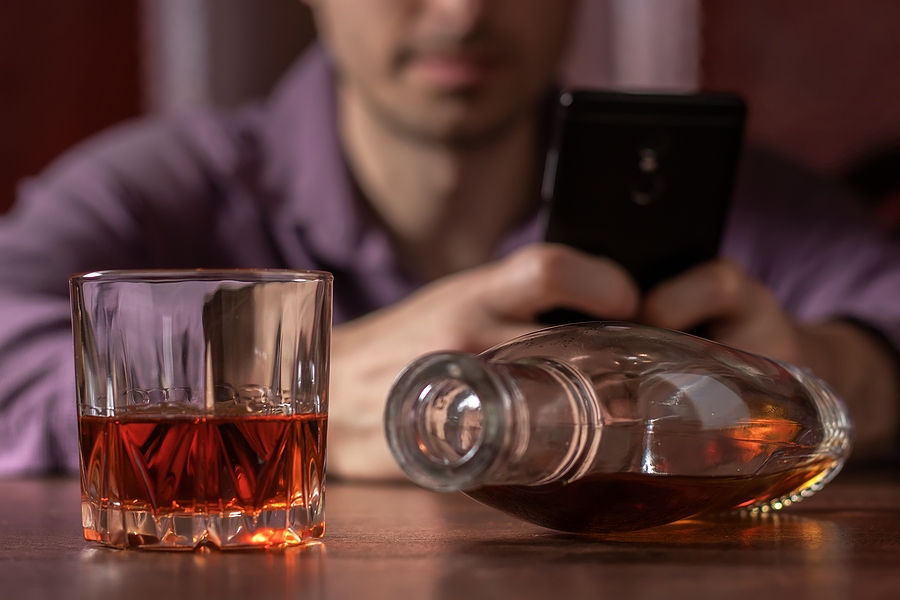
You take Ambien because you cannot sleep. Earlier that evening, you had a few drinks. You may assume the alcohol will help the medication work or that enough time has passed for the combination to be safe.
It is not a risk worth taking.
Ambien contains zolpidem, a prescription medication that slows activity in the brain. Alcohol also has a sedating effect. When they are in your system together, you may become far more impaired than you expected.
You might have mixed them before and simply fallen asleep. That does not mean your body will react the same way next time. The amount of alcohol, your Ambien dose, other medications, your health, and how quickly you drank can all change what happens.
Mixing substances can be dangerous. Before it turns into a more serious problem, seek help from Serenity Treatment Center of Louisiana.
Why Ambien and Alcohol Are a Dangerous Combination
Ambien, when used properly, can help you sleep or help you calm down. When abused, its effects can make it hard to function. Alcohol can do the same.
The combination can leave you confused and unable to judge how impaired you are. You may stumble, fall, make unsafe decisions, or attempt to drive because you believe you are more alert than you actually are.
Impairment may continue into the next morning. You can wake up feeling as though the medication has worn off while your reaction time and coordination remain affected.
Do not take Ambien on an evening when you have been drinking. Do not drink after taking a dose. Ask your prescriber or pharmacist what to do when you are unsure whether enough time has passed.
How the Mix Can Affect Breathing and Consciousness
There is a point where sedation becomes more than feeling tired.
Someone who has taken Ambien with alcohol may become difficult to wake. Their breathing may slow, and they may stop responding normally to voices or touch. In severe cases, the person can lose consciousness or fall into a coma.
Vomiting creates another danger. A heavily sedated person may choke because they cannot wake up or move into a safer position.
Do not leave someone alone to “sleep it off” when they cannot be awakened, are breathing slowly or irregularly, have blue or pale lips, are vomiting repeatedly, or appear confused and unresponsive. Call 911.
Tell emergency responders what the person took, how much alcohol they drank, and when each substance was used. Do not assume the person will be fine because the Ambien was prescribed.
What Blackouts and Memory Gaps Can Look Like
You do not have to be unconscious to lose your memory of the night.
You may hold a conversation, make food, send messages, buy something online, or leave the house without forming a clear memory of it. The next morning, you find evidence of things you cannot remember doing.
That can include calls in your phone history, food left on the stove, damaged furniture, unexplained purchases, or an injury you do not remember getting.
Zolpidem can affect memory on its own. Alcohol may make the confusion and memory loss worse. A blackout means your brain did not reliably store what happened, even though you may have appeared awake to another person.
These gaps should not be dismissed as an embarrassing side effect. They can place you and other people in danger.
When to Seek Help for Ambien and Alcohol Misuse
You do not need to wait until you wake up in an emergency room. You can ask for help at any time.
Pay attention when sleep has become the reason you give yourself permission to use both. You may still need treatment for insomnia, but the current solution is creating another health problem.
A professional assessment can look at your Ambien use, alcohol use, sleep, mental health, physical health, and withdrawal risk. Some people need medically supervised detox before beginning ongoing treatment. Others may be able to start with outpatient support.
Treatment can help you address more than the substances. Anxiety, trauma, depression, chronic stress, pain, and long-standing sleep problems may all be part of the pattern.
How Serenity Treatment Center of Louisiana Supports Clients and Families
Serenity Treatment Center of Louisiana provides substance use treatment in Baton Rouge. Our services include detox, residential treatment, intensive outpatient care, individual therapy, group therapy, family therapy, medication-assisted treatment, nutrition therapy, and continuing care.
Call Serenity Treatment Center of Louisiana at (225) 361-0899 if Ambien, alcohol, or both have become difficult to control. Be honest about how much you use, whether you have experienced blackouts, and whether you are worried about withdrawal.